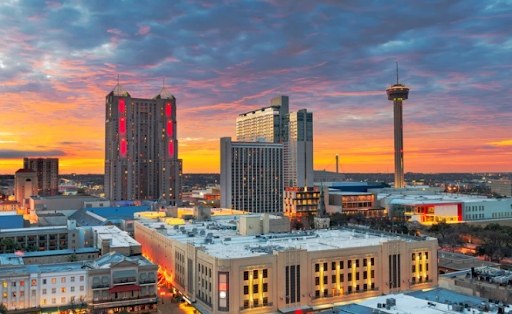
San Antonio is one of the fastest-growing cities in Texas, and for good reason. With a unique mix of culture, history, affordability, and modern growth, it’s no surprise people from all over the country are making it their new home.
Whether you’re relocating for work, family, or a fresh start, this moving to San Antonio blog covers the top 7 things to know before moving to San Antonio. From cost of living to weather, housing, and lifestyle, here’s what to expect living in San Antonio.
1. San Antonio Is Affordable
One of the biggest draws to San Antonio is the cost of living. Compared to Austin, Dallas, or Houston, San Antonio offers more space and affordability, especially when it comes to housing.
- Rent and home prices are generally lower than the national average
- Groceries, healthcare, and transportation also cost less than in most other large Texas cities
- No state income tax in Texas means your paycheck is higher
This makes San Antonio a great option for families, young professionals, and retirees alike. If you’re planning a furnished stay of 30 nights or longer, or simply want to avoid the hassle of setting up a home from scratch, furnished apartments such as the Simplicity at the Rim are also widely available, offering flexibility without the long-term commitment.
2. It's a Big City With a Small-Town Feel
San Antonio is one of the largest cities in the U.S, but it doesn’t always feel that way. The city is known for its welcoming, laid-back atmosphere and tight-knit neighborhoods. It’s big, but it doesn’t feel overwhelming.
- People are friendly and community-oriented
- Many neighborhoods still feel suburban or even rural
- You’ll find strong local pride in everything from food to sports to festivals
Is San Antonio a good place to live? If you value diversity, a slower pace, and affordability, the answer is definitely yes. It’s a city that offers the perks of urban life without the burnout.
3. The City Has a Rich Culture and a Deep History
From the Alamo to the River Walk, San Antonio’s identity is rooted in its history, but the city also continues to grow and evolve with new restaurants, galleries, and events.
What to expect living in San Antonio:
- A mix of Mexican, Spanish, and Texas cultures
- Beautiful missions, old architecture, and preserved landmarks
- A vibrant art and music scene, especially in Southtown and the Pearl District
- Annual festivals like Fiesta San Antonio that celebrate the city’s heritage
Whether you’re into food, live music, or local markets, there’s always something going on, and many neighborhoods offer easy access to events without the need to live downtown.
4. The Job Market Is Steady and Growing
While Austin may get more attention for tech, San Antonio’s job market is strong and stable, especially in healthcare, military, education, cybersecurity, and hospitality.
Top employers include:
- USAA (United Services Automobile Association)
- H-E-B (Grocery Company)
The military (Joint Base San Antonio is one of the largest in the country) - University Health and the Methodist Healthcare System
- Several universities and research centers
The city is also becoming more attractive to remote workers and digital professionals thanks to its low cost of living and growing coworking options.
5. The Weather Is Hot and Mostly Dry
If you’re coming from the north or a coastal city, you’ll definitely notice the climate change. San Antonio has a warm, dry climate most of the year, with hot summers and mild winters.
What to expect:
- Summer temps often hit the high 90s or low 100s
- Winters are mild, and snow is rare
- Spring and fall are comfortable and sunny
- Occasional heavy rain or storms, especially in May and September
It’s a great place if you like being outdoors, but be ready for the heat. Popular weekend activities include walking trails, biking the Mission Reach, or exploring the Hill Country just outside the city.
6. Traffic Is Manageable, But You’ll Still Need a Car
San Antonio isn’t known for heavy traffic the way Dallas or Houston is, but it’s still a car-friendly city. Public transit is limited, so most people drive.
What to know:
- I-410 and Loop 1604 are the main traffic loops
- Most neighborhoods are 20–30 minutes from downtown
- Parking is generally easier and cheaper than in larger cities
- Biking is growing in popularity, especially in urban areas
If you’re new to San Antonio and still getting settled, choosing a place close to shopping and dining can make day-to-day errands easier while you figure out your transportation needs.
7. Where You Live Makes a Big Difference
San Antonio is a large and spread-out city with a wide variety of neighborhoods. Whether you’re looking for urban energy or quiet space, where you choose to live will shape your experience.
A few popular areas:
- The Rim and La Cantera: A modern, growing area with shopping, restaurants, and easy highway access. Great for professionals and commuters.
- Alamo Heights: A historic, central neighborhood with top-rated schools and walkable streets. It’s ideal for families and anyone who wants a community vibe close to downtown.
- Stone Oak: A clean suburban area in North San Antonio known for newer homes, good schools, and a quiet atmosphere. Popular with families and long-term residents.
- Southtown: Trendy, creative, and close to downtown. This artsy district is filled with historic homes, local restaurants, and a walkable feel. Great for young professionals.
- Helotes: A more rural, scenic suburb just outside city limits. It’s a favorite for those wanting more space and a slower pace while staying within commuting distance.
- Pearl District: A hip, revitalized area full of restaurants, markets, and cultural spots. Perfect for creatives and professionals who want to live close to the action.
- Downtown San Antonio: Right in the center of it all, downtown is great for walkability, nightlife, and proximity to major employers. Best for renters who thrive in a fast-paced environment.
- Terrell Hills: A quiet, upscale neighborhood with tree-lined streets and highly rated schools. A good fit for families and professionals looking for a more traditional residential setting.
If you’re relocating or just testing out San Antonio before a long-term move, Simplicity at The Rim is an excellent choice. This apartment community places you near top restaurants, retail, and major employers, all in a modern and fully equipped space.
Should You Rent Before Buying a Home in San Antonio?

If you’re new to San Antonio, buying a home right away might feel like a big step, especially if you’re unsure which part of the city best fits your lifestyle.
Renting first gives you time to explore different areas, get a feel for traffic patterns, test commutes, and learn what kind of neighborhood works for you. It’s a smart way to make a long-term decision with confidence.
Many newcomers choose furnished rentals during this transition. They’re move-in ready, cost-effective, and ideal for short- or mid-term stays. You can live comfortably while scouting out your future home, without rushing the process.
This approach is especially useful for professionals relocating for work, military families, or anyone starting fresh in a new city.
Tips for Settling In After You Move

Once you’ve made the move to San Antonio, it can take a little time to feel fully at home. Here are a few ways to make that transition smoother:
Explore Your Neighborhood Early
Take a few walks, visit local spots, and learn where things are, such as grocery stores, parks, restaurants, and nearby coffee shops. Getting familiar with your surroundings helps build comfort fast.
Join Local Groups or Classes
Whether it’s a gym, volunteer group, or art class, meeting people who live nearby is one of the quickest ways to feel connected. San Antonio has a strong community vibe, so take advantage of it.
Set Up Your Home for Daily Life
Keep things simple at first. Focus on what you need day-to-day, then layer in furniture or décor over time. For some, starting with a furnished rental helps ease the process.
Take Advantage of Local Resources
Follow city pages, local newsletters, or community boards to stay in the loop. There’s always something going on, from cultural events to weekend markets.
The sooner you settle into your routines, the sooner San Antonio will feel like home.
Is San Antonio a Good Place to Live?
If you’re wondering whether San Antonio is right for you, here’s the bottom line:
- It’s affordable, welcoming, and full of history
- The pace is slower than in cities like Dallas or Austin
- There’s strong job growth and room to explore
- It’s ideal for families, remote workers, and first-time renters
Whether you’re staying for a few months or thinking long-term, San Antonio offers flexibility, warmth, and opportunity. If you’re still getting settled or don’t want the stress of furnishing a new place, furnished rentals like those offered by Properties By Preston are a smart way to start fresh without overcommitting.
Looking for a Place That’s Already Set Up?
If you’re ready to move but not ready to fully settle, Simplicity at The Rim offers furnished apartments designed for comfort, flexibility, and convenience. Skip the furniture shopping, avoid long leases, and start living on your own terms. View Simplicity at The Rim and see if it’s the right fit for your move to San Antonio.
Frequently Asked Questions
1. How long should I plan to spend exploring neighborhoods before choosing one?
Give yourself at least 2 to 3 weeks to get to know the different areas. San Antonio is large, and each neighborhood has its own feel, from walkable districts to quiet suburbs.
2. What are some hidden costs people overlook when moving to San Antonio?
Common ones include vehicle expenses (gas, tolls, maintenance), utility setup fees, and deposits for rentals. It’s also worth budgeting for moving costs or temporary housing if your timeline is tight.
3. Are apartments available in more suburban neighborhoods too?
Yes. Many newer communities are located in areas like Stone Oak, The Rim, and Helotes. These tend to offer more space, quieter surroundings, and family-friendly amenities.
4. Can I use public transit to get around without a car?
Public transit is available, but limited. San Antonio is very car-dependent, and most people drive for errands, work, and day-to-day travel.
5. Is San Antonio pet-friendly?
Yes. Many parks, trails, and rental communities are pet-friendly. Just make sure to check pet policies and breed restrictions in your lease agreement.
6. What documents do I need to rent an apartment in San Antonio?
Most landlords will ask for a photo ID, proof of income, rental history, and sometimes a credit check. If you’re moving from out of state or starting a new job, having a letter of employment or savings documentation can also help secure a lease.
7. How flexible are rental leases in San Antonio?
Lease terms vary, but month-to-month and flexible options are available in many areas, especially in apartment communities catering to professionals, students, or transitional renters.